Frequently Asked Questions
How do I get a white smile?
To achieve a white smile, consider professional teeth whitening services at Smile Innovation, where our treatments effectively remove stains and enhance your smile, giving you a brighter and more confident appearance.
Is it worth it to get your teeth professionally whitened?
The worth of getting your teeth professionally whitened is evident in the immediate and significant improvement in your smile. This treatment enhances confidence and can be a worthwhile investment for long-lasting results.
How much should professional teeth whitening cost?
The cost of professional teeth whitening typically ranges from $300 to $1,000, depending on the method used and the specific clinic. For the best results, it’s advisable to consult with a professional, like those at Smile Innovation.
What are benefits of a white smile?
The benefits of a white smile are numerous. A brighter smile enhances your confidence, improves first impressions, and contributes positively to your overall appearance, making you feel more attractive and self-assured in social and professional situations.
How long does professional whitening take?
The duration of professional whitening treatments varies, but typically, the procedure takes about one to two hours in the dental office. Results are often visible immediately after the session.
Are there risks to professional teeth whitening?
The risks of professional teeth whitening include temporary tooth sensitivity and gum irritation. These side effects are typically mild and resolve shortly after treatment, making professional whitening a safe option when performed by a trained dental professional.
Can I whiten my teeth at home?
Whitening your teeth at home is possible with over-the-counter products or natural remedies. However, professional treatments yield faster and safer results, so it's recommended to consult a dentist for the best options.
What treatments whiten teeth effectively?
Effective treatments for whitening teeth include professional in-office bleaching, take-home whitening kits prescribed by dentists, and over-the-counter whitening products. Each option varies in strength and results, with professional treatments typically offering the most dramatic improvements.
How often should I whiten my teeth?
The frequency of teeth whitening can vary based on individual needs and the type of treatment used. Generally, it's recommended to whiten your teeth every 6 to 12 months for optimal results, while maintaining good oral hygiene.
What products are used for teeth whitening?
The products used for teeth whitening include professional-grade bleaching agents such as hydrogen peroxide and carbamide peroxide, as well as custom whitening trays and strips designed for effective and safe teeth whitening treatments.
Is professional whitening permanent?
Professional whitening is not permanent. While it significantly lightens teeth, factors such as diet, oral hygiene, and lifestyle choices can affect the longevity of the results. Regular maintenance treatments are recommended to sustain a brighter smile.
Who is a good candidate for whitening?
Good candidates for whitening are individuals with healthy teeth and gums, seeking to enhance their smile. Ideal candidates typically have yellowish or dull teeth, but those with sensitive teeth or specific dental conditions should consult a dentist first.
What is the process of teeth whitening?
The process of teeth whitening involves a professional assessment, followed by the application of a bleaching agent to lighten the teeth. This treatment effectively removes stains and discoloration, resulting in a brighter, whiter smile.
How to choose a whitening clinic?
Choosing a whitening clinic involves considering the clinic's qualifications, patient reviews, treatment options, and the expertise of the dental professionals. Ensure they use safe, effective products and provide personalized consultations to meet your needs.
What are side effects of whitening treatments?
The side effects of whitening treatments may include tooth sensitivity, gum irritation, and uneven results. These effects are typically temporary and can be managed with appropriate aftercare.
How can I maintain my white smile?
Maintaining a white smile involves regular dental care, including brushing and flossing daily, using a whitening toothpaste, avoiding stain-causing foods and beverages, and scheduling routine cleanings with your dentist at Smile Innovation.
What food should I avoid after whitening?
After whitening, you should avoid foods and beverages that can stain your teeth, such as coffee, red wine, dark sodas, berries, and sauces like soy or tomato until your teeth stabilize.
Are there alternatives to professional whitening?
Alternatives to professional whitening include over-the-counter whitening strips, gels, and toothpaste. While these options can be effective, they may not provide the same dramatic results or safety assurances as professional treatments.
Does whitening affect tooth sensitivity?
Whitening treatments can cause temporary tooth sensitivity in some patients. However, this sensitivity typically subsides shortly after the procedure, and most clients find the benefits of a brighter smile outweigh this minor discomfort.
How effective is at-home whitening compared?
The effectiveness of at-home whitening varies greatly compared to professional treatments. While at-home options can lighten teeth, they often yield less dramatic results and take longer to achieve noticeable brightness than professional whitening services.
What is the cost of in-office whitening?
The cost of in-office whitening typically ranges from $300 to $800, depending on the specific treatment and individual needs. For an accurate estimate, it's best to schedule a consultation at Smile Innovation.
How can I whiten teeth naturally?
Whitening teeth naturally can be achieved through methods like brushing with baking soda, using hydrogen peroxide as a mouthwash, or consuming crunchy fruits and vegetables that can help remove stains. However, results may vary.
What happens during a whitening consultation?
During a whitening consultation, a dental professional evaluates your oral health, discusses your whitening goals, and recommends the best treatment options tailored to achieve the desired results for your smile.
Is it safe to whiten during pregnancy?
Whitening teeth during pregnancy is not recommended. Due to limited research on the effects of whitening agents on fetal development, it’s best to consult with your dentist for safe alternatives. Your oral health is important, so prioritize safety during this time.
How to prepare for teeth whitening?
Preparing for teeth whitening involves ensuring your oral health is optimal. Brush and floss your teeth thoroughly, avoid staining foods and beverages, and consider scheduling a dental cleaning beforehand for the best results.
What teeth whitening methods are available?
The available teeth whitening methods include in-office professional treatments, at-home kits provided by your dentist, and over-the-counter whitening products. Each option varies in strength and results, catering to different preferences and needs.
How effective are over-the-counter whitening kits?
Over-the-counter whitening kits can be effective, but results vary widely. They may lighten teeth by a few shades, but professional treatments often deliver more significant and longer-lasting results for a brighter smile.
What tools do dentists use for whitening?
The tools dentists use for whitening include professional-grade whitening gels, LED lights, and custom trays. These advanced instruments help enhance the effectiveness of the treatment, ensuring a brighter smile in a safe and controlled manner.
How do I know if whitening worked?
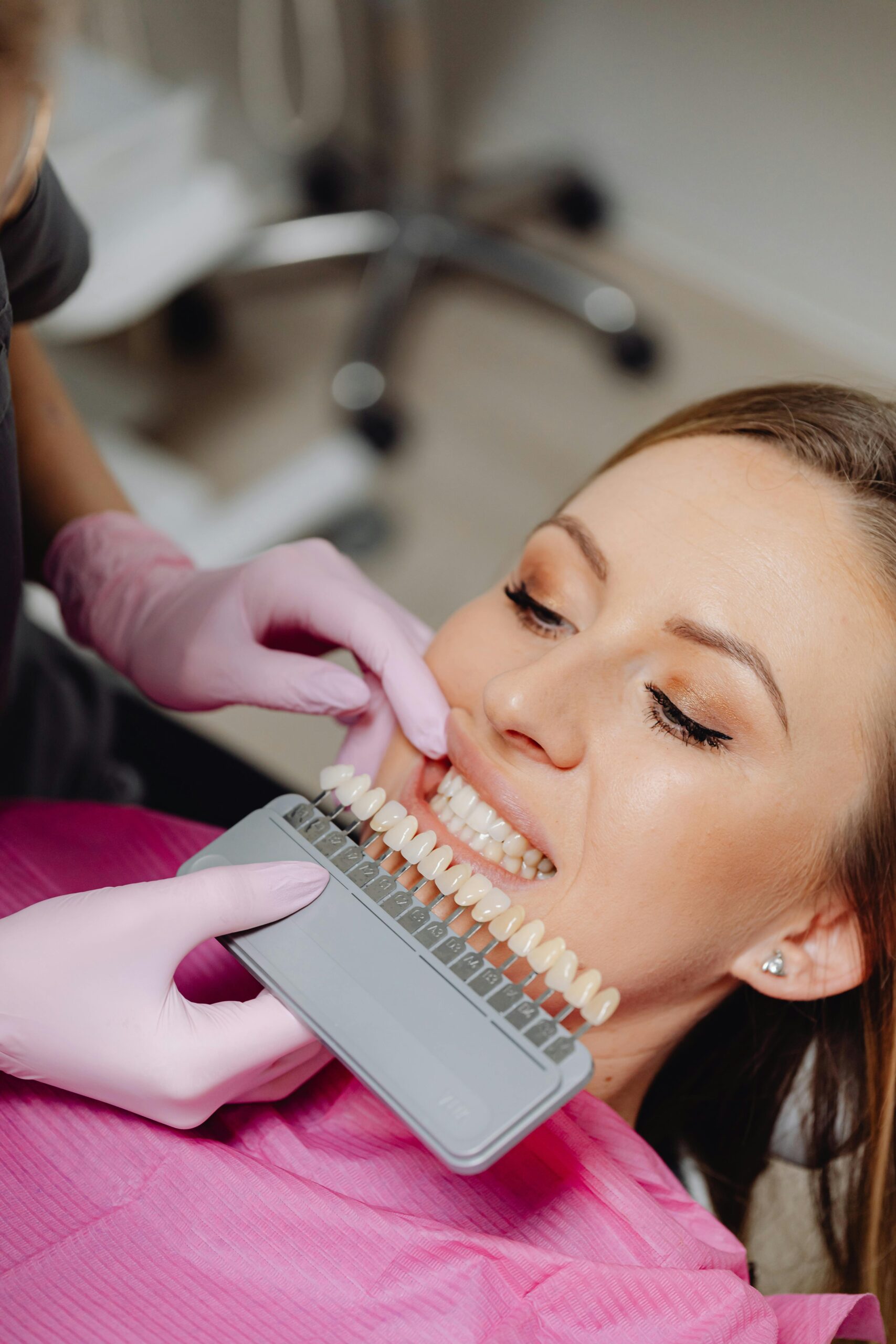
The effectiveness of your teeth whitening treatment can be assessed by comparing the shade of your teeth before and after the procedure. A noticeable improvement in brightness and color indicates successful results.
Can whitening treatments damage enamel?
Whitening treatments can potentially harm enamel if misused or performed excessively. However, professional procedures are designed to be safe for dental health, ensuring effective whitening without significant enamel damage. Always follow the guidance of your dental professional.